Posted on Leave a comment

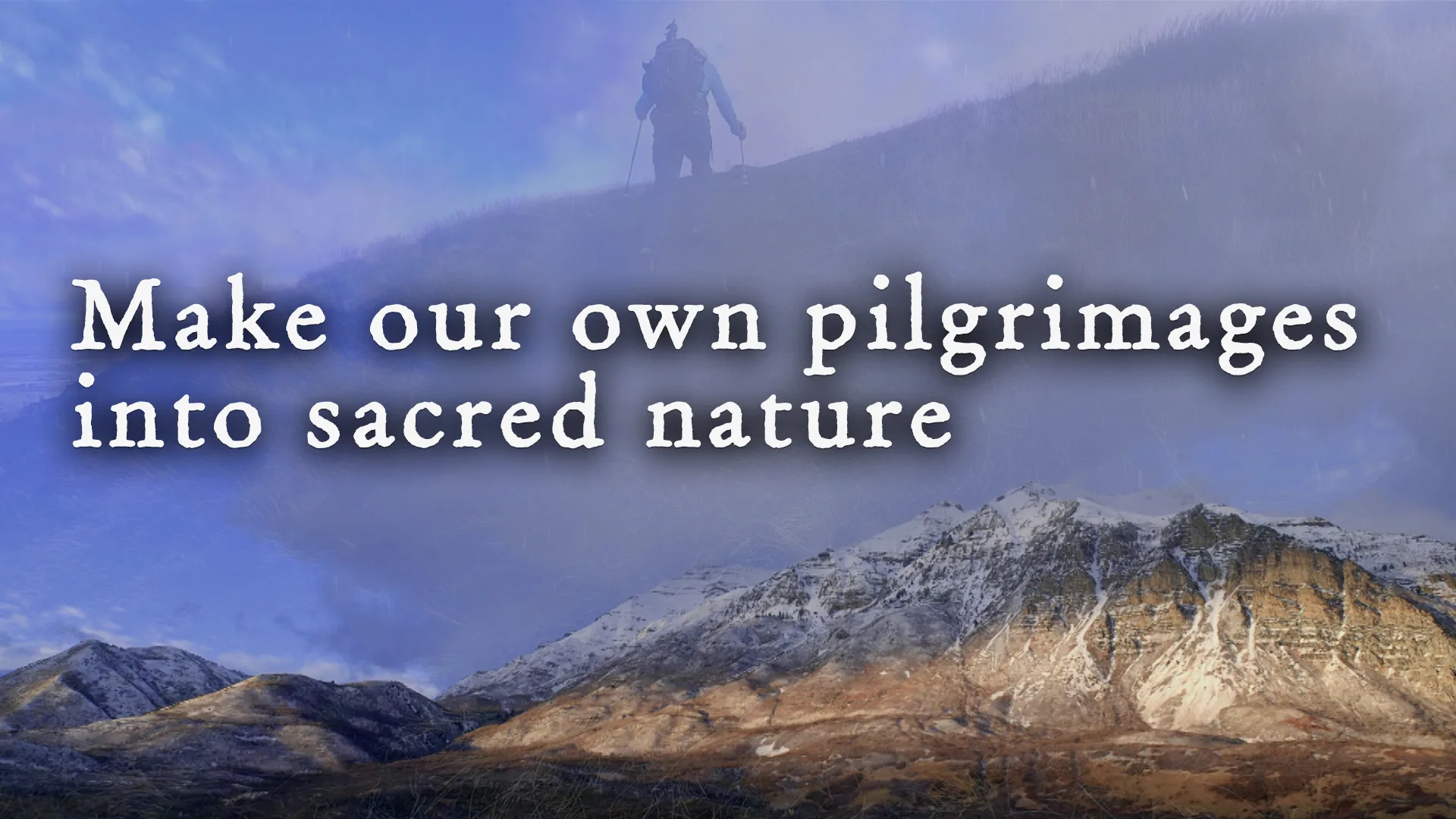
Make our own pilgrimages into sacred nature

In making The Unruly Mystic: John Muir, the filmmaking process allowed me to share one of my own “pilgrimages into sacred nature” as described by Rev. Matthew Fox.   The segment trailer below is taken from that film.

My desert pilgrimage into “sacred nature” happened on Spring Equinox for March 20, 2017. The celestial markers are seasonal reminders of the cycle of life.  We tend to gloss over them with the surrounding holidays of springtime like Passover and Easter, but the equinox is sacred nature in action.  There is also a strong religious tradition of going into the desert like the Prophet Elijah and Moses.

I recognized the spiritual impact of being in a remote place, quiet and beautiful.  This canyonland desert is an artistic explorers delight, from the natural erosion of the canyons to the colorful sands and rocks, to the stark vegetation that holds on to life here.  It brings out my inner child that wants to explore everything.

For myself, going to the Utah desert during spring break has always been a traditional family experience, first with my family of origin in the 1970s, and later with my own children in the 2000s.  There were also backpacking experiences with friends over the years along developed trails.  This retreat was the first time I would go overnight by myself into an area that I had not been before.  I had chosen the spot by carefully examining a map and reading some trip reports on the dirt road there.

My camp would be 9 miles down a dirt road, on BLM land, but close enough to Canyonlands National Park that I could do a day hike there from my car campsite.  Camping on BLM land is ideal in this part of Utah as it does not have all the restrictions that a national park does for camping.  Unfortunately, it does not have all the amenities either like a bathroom.  I would have to bring my own water and food for my planned two nights there.

Looking back at my drive into there, it was a bit crazy in that I drove down there in a 2-Wheel drive Honda Accord.  There is not much clearance to start with, and while avoiding a high center on a hump in the track, the black side molding was removed neatly when I caught the car’s edge.  That along with driving along the bed of the dried creek bed made me realize that if it rained, I would not be able to leave any time soon.  The weather is also iffy during early spring. In 2021, I returned to the same spot in a 4-Wheel drive Ford Truck which made all the difference getting out and back on that rugged road.

After setting up camp, and discovering that there was blessedly no one there, I settled down for the night under dark heavens.  I fell asleep as the Red Spotted Toads from the nearby creek started their heartfelt chorus for mates.  After they settled in, it was so quiet that I could hear my heartbeat when I awoke later against the chill. 

In the morning beneath the rustic cottonwoods, I packed my lunch and took plenty of water to hike a mile to the park boundary.  I would explore the long canyon that awaited me that day. The canyon would grow narrower and higher the further I went like a ragged feather.  Mine were the only tracks across the sands behind me.

Forgotten Home

Within crossing into the park, there was a side canyon beckoning me to explore,  set on the high walls were the airy ruins of the Anasazi, a civilization that arose as early as 1500 B.C. Their descendants are today’s Pueblo Indians, such as the Hopi and the Zuni, who live in 20 communities along the Rio Grande, in New Mexico, and in northern Arizona. These lost people laid a 400-mile network of roads, some of them 30 feet wide, across deserts and canyons. And into their architecture they built sophisticated astronomical observatories.

I started up my side canyon.

Posted on Leave a comment

vMuir Day Panel 2020

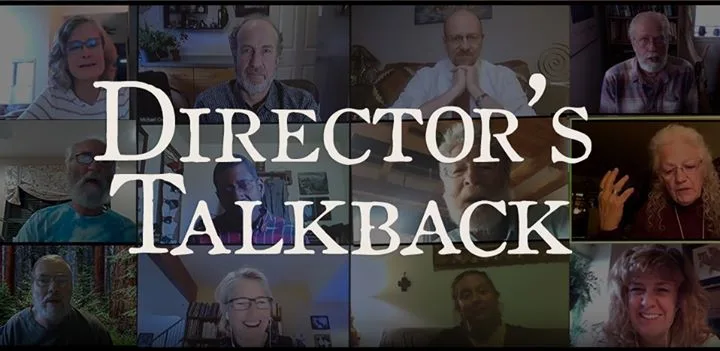
We celebrated John Muir’s one hundred and eight-second birthday this year during the Covid-19 pandemic on April 21, 2020. I thought it would be more appropriate to ask my panelists questions about death, how they are connecting with nature while in isolation, and why John Muir is still relevant today.

The panelists consisted of a Ranger from Yosemite, a historian from the Sierra Club, three theologians and a Rabbi. It made for an interesting conversation for everyone that tuned in live.

Our lively two hour video conversation is broken into two parts, with some editing to help with the flow of the conversation.

This virtual birthday party for John Muir Day will be remembered for a variety reasons, but sharing our connection to John Muir, will be my fondest memory.

Watch Part 1 of the vMuir Day Birthday Conversation

Watch Part 2 below.

Thank you to our panelists:

Give them a follow on their websites, twitter and Instagram accounts.

Harold W. Wood, Jr. – Retired government attorney, Sierra Club activist, and John Muir scholar, presenter and author.

Stephen K. Hatch, M.A. – a mystic and mountaineer, author, offers us a comprehensive exploration into the world of nature spirituality. 

Ranger Shelton Johnson – Park Ranger in Yosemite National Park since 1993.

Pastor Roger Wosley – Visionary Spiritual Director, Speaker on Progressive Christianity, Author, “Kissing Fish”

Rev. Carol Vaccariello – an inspirational speaker, storyteller, spiritual coach, and plant whisperer.

Rabbi Jamie Korngold – a Reform Jewish rabbi. In 2001, she founded the Adventure Rabbi program which integrates spirituality and the outdoors.

Watch Part 2 of the vMuir Day Birthday Conversation

Posted on Leave a comment

Personal Bear Experience in Yosemite

I am reminded of an experience I had as I heard that 4 times the number of bears are wandering about in Yosemite Valley during this shut down period based upon the news reports.

When I was making my film, I spent several nights in the Yosemite National Park with a wilderness permit in hand. I had just gone through an intensive filming permit process to video commercially in the park, and to do an interview with an interpretive ranger that was eager to talk with us.

We were just a two-person crew, my 14-year-old son and I, but Park regulations treated us like a full crew, we needed $1 million dollar liability insurance, and it was expected that another ranger be there while filming the first ranger.

After finishing the shoot, I was looking forward to getting out into the backcountry with my son. Yosemite is a beautiful place that I wanted to share with him before he went back to school that fall.

I got the required bear canister with the wilderness permit. In my excitement to hit the trail, I only got one canister. My first mistake.

Later at camp, I discovered there wasn’t enough room to store everything in it that night in camp, so I did the next best thing I knew to be bear safe. I threw a haul bag over the end of a tree branch, 10 feet from the trunk, about 20 feet in the air.

That night, a black bear came into the camp, and tried to walk off with the bear canister to make it “a drop off the cliff” pinata. Apparently, that is a real thing with this particular bear I later learned. Leaping out of the tent, I scared him enough to drop the canister. The haul bag was fine.

The next day, we saw more bears in the woods as we took our morning rituals. Later we took a long hike, and the same problem needed to be solved again, but this time we stacked logs and rocks on the bear canister to ensure its safety during the day. Haul bag went up the tree again.

When we got back later that afternoon, canister was there, but the haul bag was gone! No sign of it! No trash or scuff marks.

Next to the fire ring, there was an official complaint from a backcountry ranger stating that what I had done was illegal and he had confiscated our bag. It was a $3000 dollar fine!

I quickly decided we could go without toothpaste or desert. The ranger showed up later that evening with our stuff, and remarked that my haul bag had been properly placed, the best he had seen in a long time, but it was still problematic for the bears and illegal. He was a volunteer ranger and had worked for NOLS, National Outdoor Leadership School.

This particular black bear was going from the valley floor to the higher terrain every night based upon his radio collar data. The ranger offered to store our overstocked food in the bear locker at his camp spot which we happily did.

That night I thought I heard the bear come back again, and my bolt up right shouting from the sleeping bag, did more to scare my son.

On our final day there, the ranger came back, asked to see our permit again, which he documented. We got our stuff, and headed back to trail head to head home.

A month later I get a phone call from the official backcountry ranger, that I had been issued a summons by the mail. I could contest it by coming back to the park, to appeal myself at the courthouse there, or I could just pay the fine. What was my decision?

I went through the whole scenario with him again, hoping for some leniency with the fine.

In my plea, I said to the ranger, “that a better solution would be to shut down the park for a 100 years so the bears would be less dependent upon chasing human food. I concluded that I wouldn’t be coming back again as the bears belong there more than me.”

My fine was $100 dollars.

All of which is being put to the test now but it won’t be long enough to protect those bears from our own stupidity.

Public Domain picture: NPS, “what not to do” Nov. 1, 1929