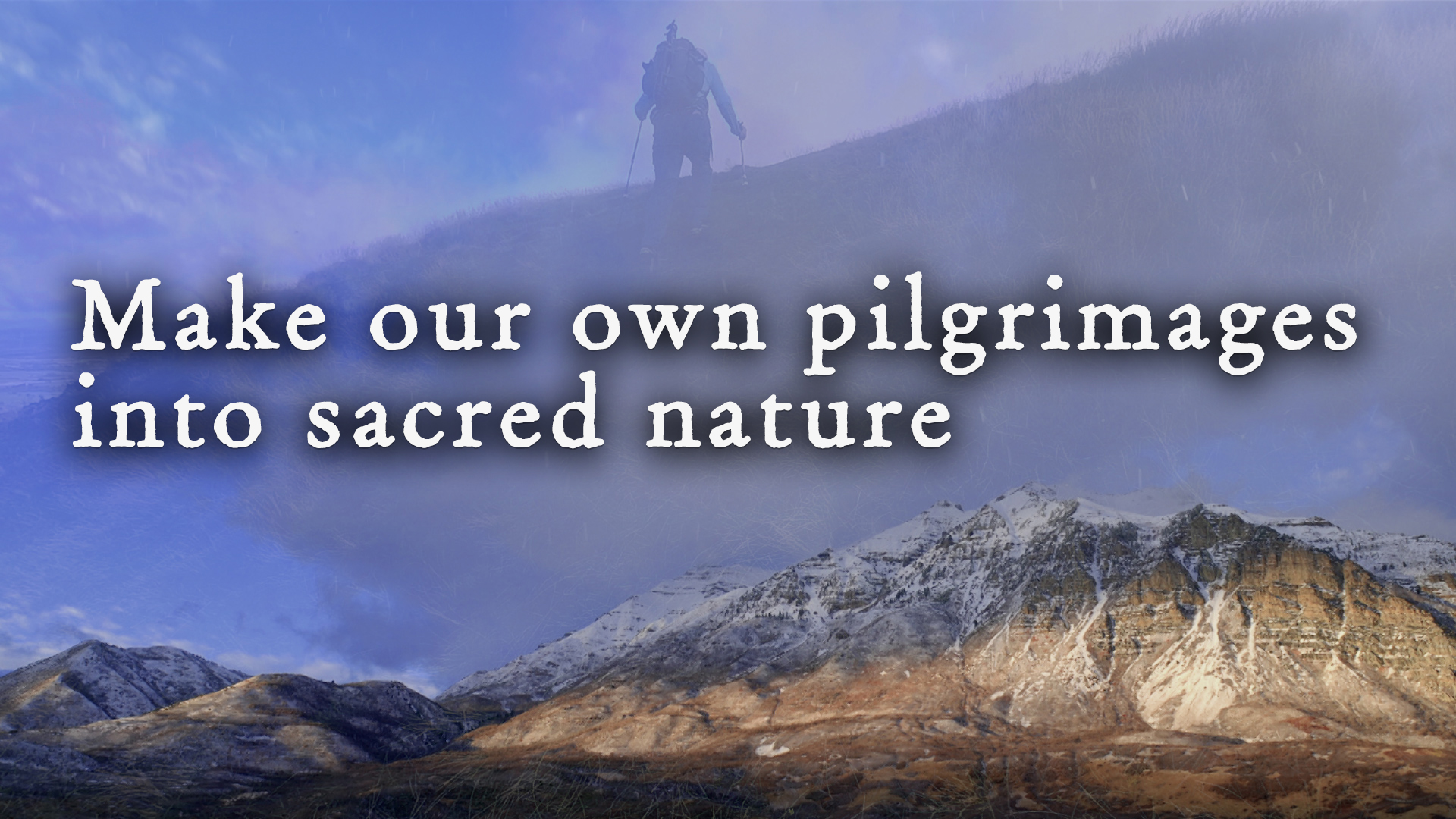
In making The Unruly Mystic: John Muir, the filmmaking process allowed me to share one of my own “pilgrimages into sacred nature” as described by Rev. Matthew Fox. The segment trailer below is taken from that film.
My desert pilgrimage into “sacred nature” happened on Spring Equinox for March 20, 2017. The celestial markers are seasonal reminders of the cycle of life. We tend to gloss over them with the surrounding holidays of springtime like Passover and Easter, but the equinox is sacred nature in action. There is also a strong religious tradition of going into the desert like the Prophet Elijah and Moses.
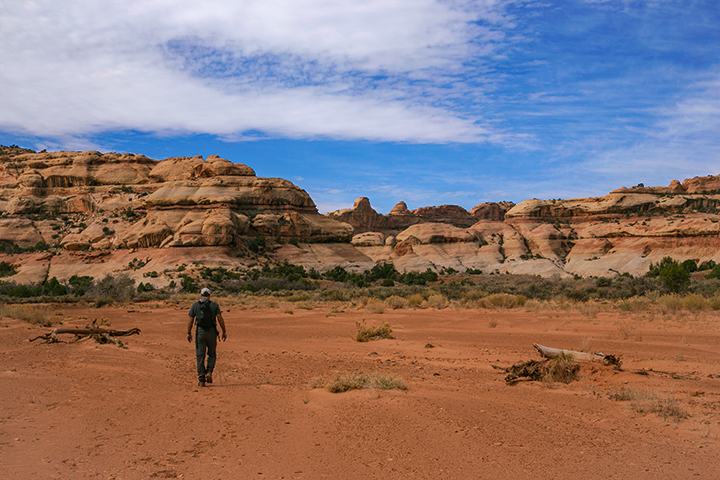
I recognized the spiritual impact of being in a remote place, quiet and beautiful. This canyonland desert is an artistic explorers delight, from the natural erosion of the canyons to the colorful sands and rocks, to the stark vegetation that holds on to life here. It brings out my inner child that wants to explore everything.
For myself, going to the Utah desert during spring break has always been a traditional family experience, first with my family of origin in the 1970s, and later with my own children in the 2000s. There were also backpacking experiences with friends over the years along developed trails. This retreat was the first time I would go overnight by myself into an area that I had not been before. I had chosen the spot by carefully examining a map and reading some trip reports on the dirt road there.
My camp would be 9 miles down a dirt road, on BLM land, but close enough to Canyonlands National Park that I could do a day hike there from my car campsite. Camping on BLM land is ideal in this part of Utah as it does not have all the restrictions that a national park does for camping. Unfortunately, it does not have all the amenities either like a bathroom. I would have to bring my own water and food for my planned two nights there.
Looking back at my drive into there, it was a bit crazy in that I drove down there in a 2-Wheel drive Honda Accord. There is not much clearance to start with, and while avoiding a high center on a hump in the track, the black side molding was removed neatly when I caught the car’s edge. That along with driving along the bed of the dried creek bed made me realize that if it rained, I would not be able to leave any time soon. The weather is also iffy during early spring. In 2021, I returned to the same spot in a 4-Wheel drive Ford Truck which made all the difference getting out and back on that rugged road.
After setting up camp, and discovering that there was blessedly no one there, I settled down for the night under dark heavens. I fell asleep as the Red Spotted Toads from the nearby creek started their heartfelt chorus for mates. After they settled in, it was so quiet that I could hear my heartbeat when I awoke later against the chill.
In the morning beneath the rustic cottonwoods, I packed my lunch and took plenty of water to hike a mile to the park boundary. I would explore the long canyon that awaited me that day. The canyon would grow narrower and higher the further I went like a ragged feather. Mine were the only tracks across the sands behind me.
Forgotten Home
Within crossing into the park, there was a side canyon beckoning me to explore, set on the high walls were the airy ruins of the Anasazi, a civilization that arose as early as 1500 B.C. Their descendants are today’s Pueblo Indians, such as the Hopi and the Zuni, who live in 20 communities along the Rio Grande, in New Mexico, and in northern Arizona. These lost people laid a 400-mile network of roads, some of them 30 feet wide, across deserts and canyons. And into their architecture they built sophisticated astronomical observatories.
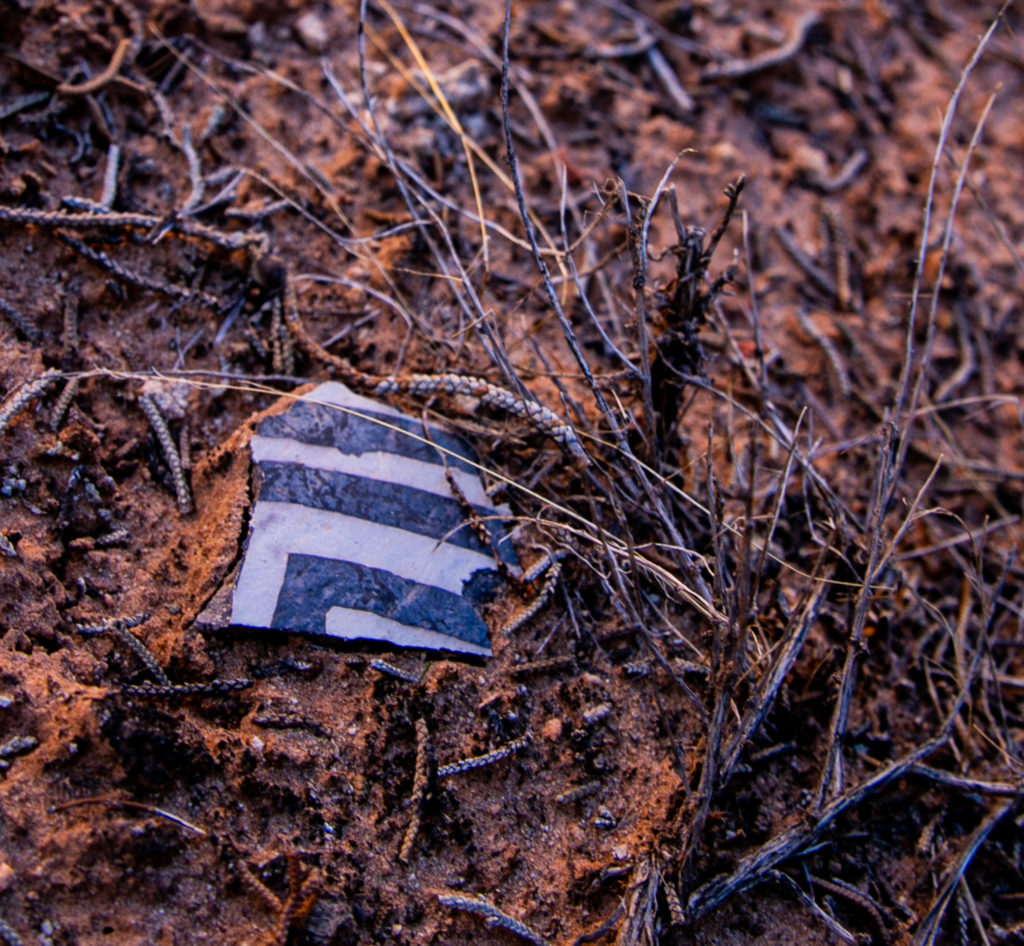
I started up my side canyon.